Case Study

Smarter Worklists, Better Outcomes

Radiology Imaging Associates partnered with Nymbl to modernize study assignment, reduce cherry-picking, and improve turnaround times—building a scalable, future-ready radiology workflow.

Client
Radiology Imaging Associates
Industry
Healthcare
Business Type

Multi-location Radiology Group

Solutions Delivered

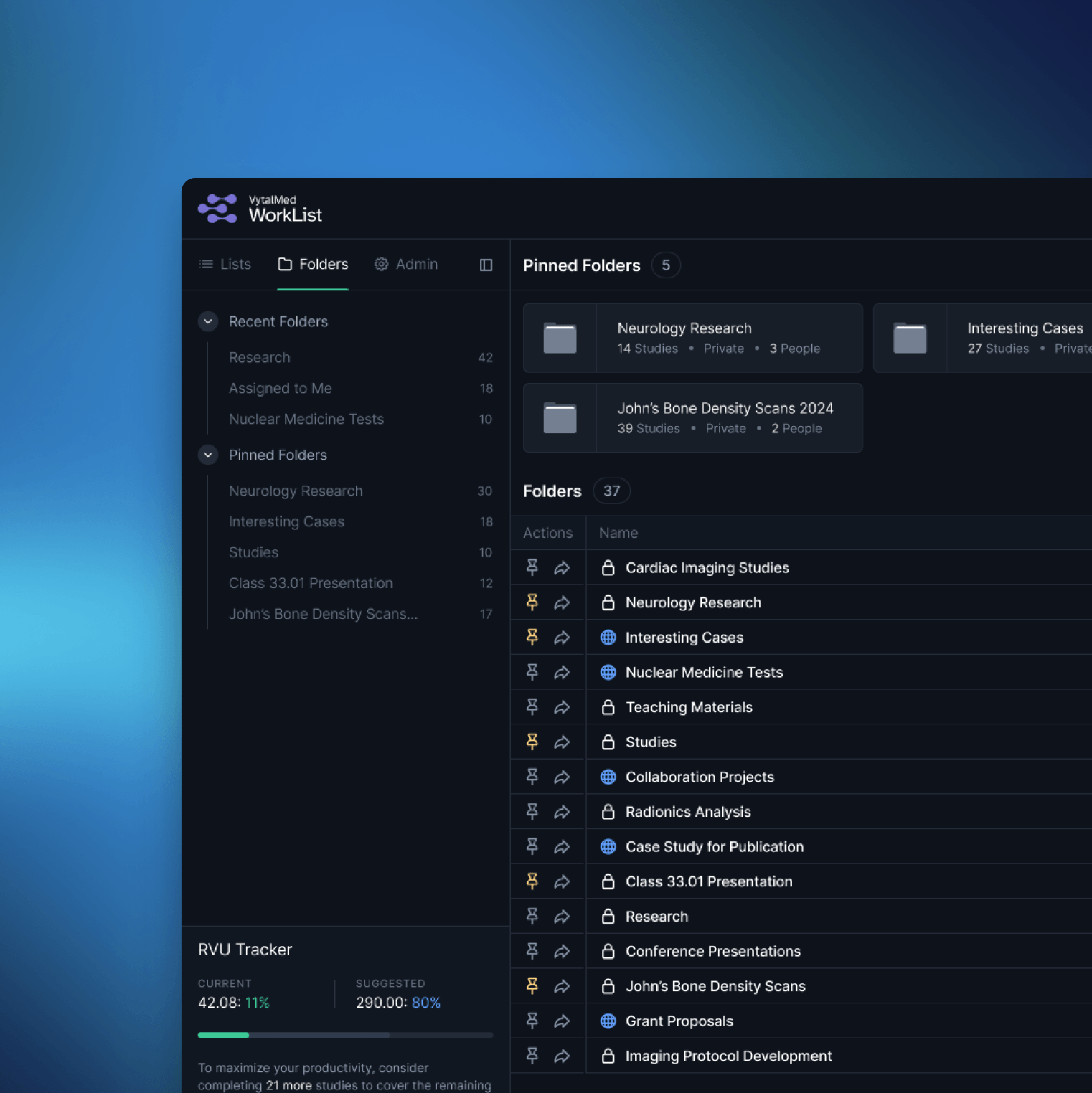
Smart List
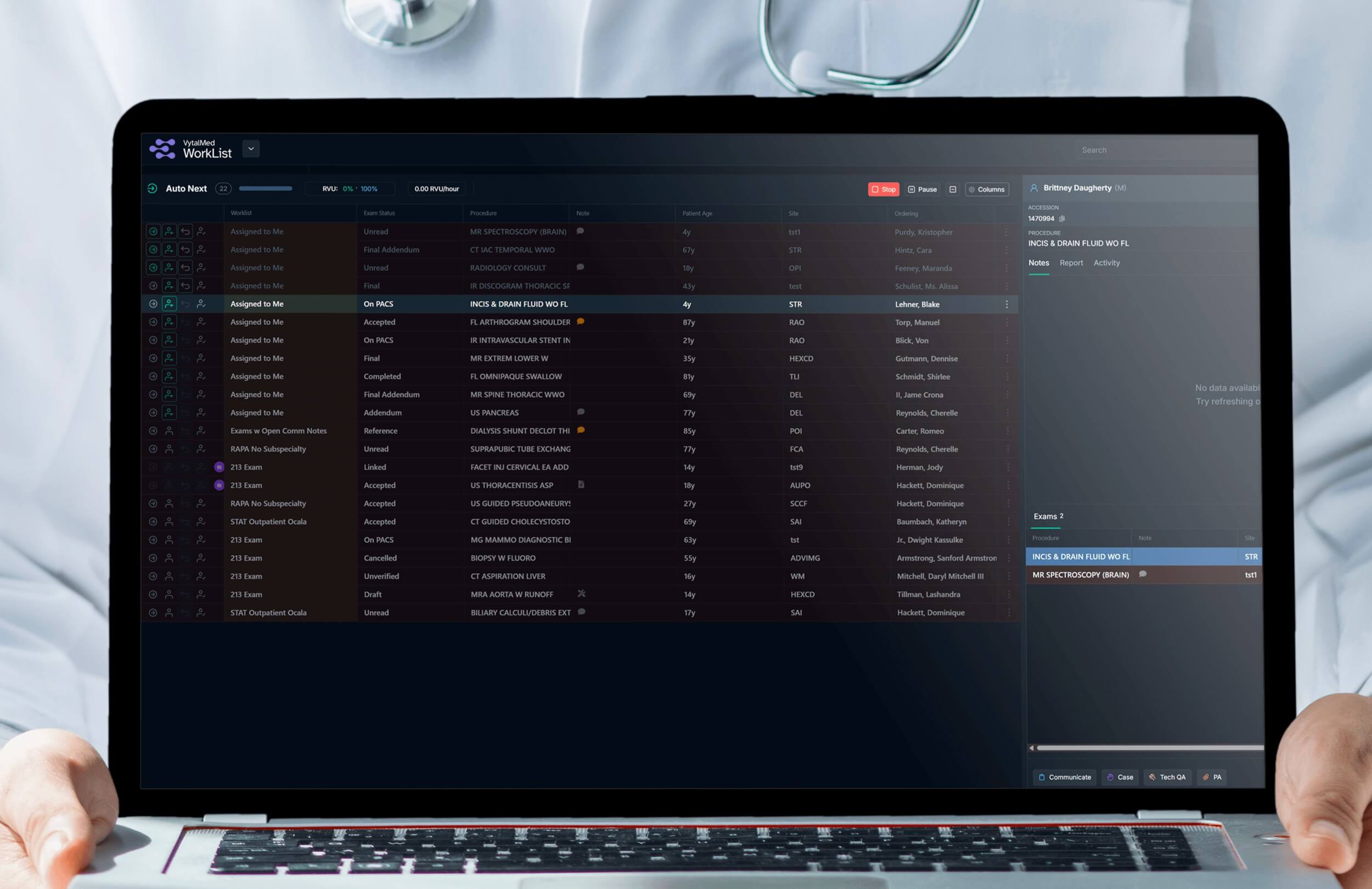
Autonext Mode: Automated Study Assignment
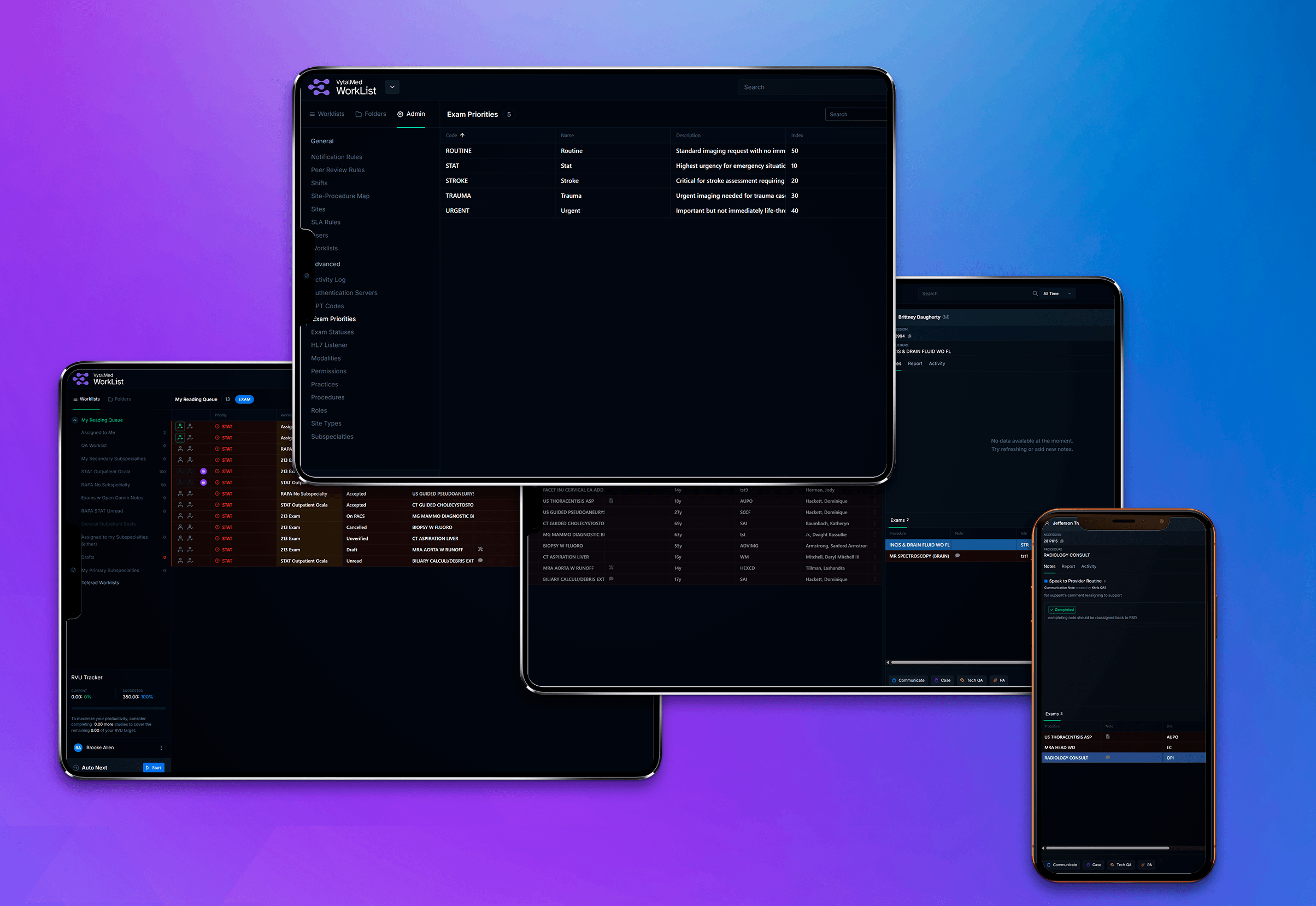
Multi-List Management
Batch Reading Tools with RegEx Search and Assignment
Heartbeat Stats
Natural Language Search for Study Retrieval
Unified Communication and History Widgets

Expertise

HL7 Integration
Qgenda API
AI/LLM
UX Design
Analytics

Overview

Radiology Imaging Associates (RIA) needed a modernized worklist system that could adapt to the dynamic demands of different shifts while maintaining fairness and supporting strict turnaround times. Their existing workflow made it difficult to evenly distribute workload, prioritize studies efficiently, and minimize idle time.

Nymbl partnered with RIA to build a smarter, shift-based system featuring selective Autonext functionality, automatically assigning studies to radiologists to optimize efficiency and reduce cherry-picking. Enhanced batch search capabilities, real-time system statistics, and embedded communication tools were integrated directly into the workflow—streamlining daily operations, improving transparency, and positioning RIA for scalable, future-ready radiology operations.

{{expertise}}

Deliverables

{{deliverables-card}}
Challenges

{{challenges}}

Nymbl's Solutions

{{solutions}}
Nymbl's Impact

{{impact}}

Dynamic, Shift-Based Worklist System

Create flexible worklists that adapt to different shift structures and workload demands across the radiology team.

Autonext Mode for Study Assignment

Automatically assign the next study based on predefined list settings, minimizing idle time and boosting overall efficiency.

Reduction of Cherry-Picking Behavior

Ensure fair and consistent distribution of studies by limiting manual selection and promoting equitable workloads.

Support for SLA Adherence

Prioritize study assignment based on service-level agreements (SLAs) to maintain compliance with turnaround time targets.

Integration of Actionable Metrics into the Workflow

Embed real-time performance data and system load indicators directly into the radiologist’s workflow for smarter, data-driven decision-making.

Support for SLA Adherence

Prioritize study assignment based on service-level agreements (SLAs) to maintain compliance with turnaround time targets.

28%

decrease in cherry-picking behaviors (based on Smart List adherence)

22%

improvement in study turnaround time across shift-based lists

90%

radiologist satisfaction with batch reading and assignment tools

35%

Reduction of admin intervention for list management tasks

28%

Real-time system stats led to better workload distribution, with peak-hour efficiency gains.

Technical Expertise

  • Radiology workflow engineering
  • HL7 and Qgenda integration
  • Frontend UI/UX design for healthcare apps
  • Backend architecture for real-time data updating
  • AI/LLM development for search and prediction engines
  • Statistical analytics for workload and efficiency tracking

1   Manual Fax Processing

Staff had to manually sort, classify, and enter data from incoming faxes, making the process slow, repetitive, and prone to human error.

2  High Labor Costs

Processing required 15 full-time employees, significantly increasing overhead and reducing operational efficiency.

3   Slow Turnaround Times

Processing times averaged 10–15 minutes per document, delaying patient scheduling and impacting service delivery.

4   Unstructured Document Formats

Multi-order faxes and handwritten elements made automated extraction difficult without advanced AI support.

5   Scalability Constraints

The manual workflow could not keep up with peak document volumes, limiting the organization’s ability to grow without adding headcount.

6    Limited System Integration

Lack of integration with EMR and scheduling systems forced redundant data entry and slowed down the intake process.

7   Workflow Fragmentation

Disconnected systems and processes created inefficiencies and increased the burden on administrative staff.

8  Inconsistent Data Quality

Poor-quality fax images and manual entry led to frequent inaccuracies and incomplete records.

Smart List: Shift-Specific, SLA-Aware Worklist
Created dynamic worklists customized by shift, subspecialty, and hospital needs, fully integrated with Qgenda to support SLA tracking and fair study distribution.

Autonext Mode: Automated Study Assignment
Enabled automatic assignment of the next appropriate study per list rules, reducing idle time, improving workflow speed, and minimizing cherry-picking.

Batch Reading Tools with RegEx Search and Assignment
Equipped radiologists with powerful batch reading tools and RegEx-based search capabilities to efficiently retrieve and assign studies, boosting reading throughput.

Dynamic Stats Display ("Heartbeat" Stats)
Embedded real-time system performance indicators directly into the worklist interface, helping radiologists and admins maintain visibility into workload and system health.

Multi-List Management Across Subspecialties and Hospitals
Supported management of multiple worklists simultaneously—covering subspecialty-specific, hospital-specific, and reserved study lists—without workflow disruption.

Natural Language Search for Study Retrieval
Introduced intelligent search functionality that allows users to find studies quickly using natural, conversational queries.

Unified Communication and History Widgets
Embedded communication tools and access to study history within the workflow to streamline collaboration, reduce manual follow-ups, and improve operational transparency.

Future-Ready Solutions Start Here

At Nymbl, we don’t just build solutions — we engineer lasting impact. Whether you need to modernize workflows, eliminate inefficiencies, or drive real business results with custom transformative  solutions, we’re ready to partner with you. Let’s build smarter, faster, and more future-ready systems together.